
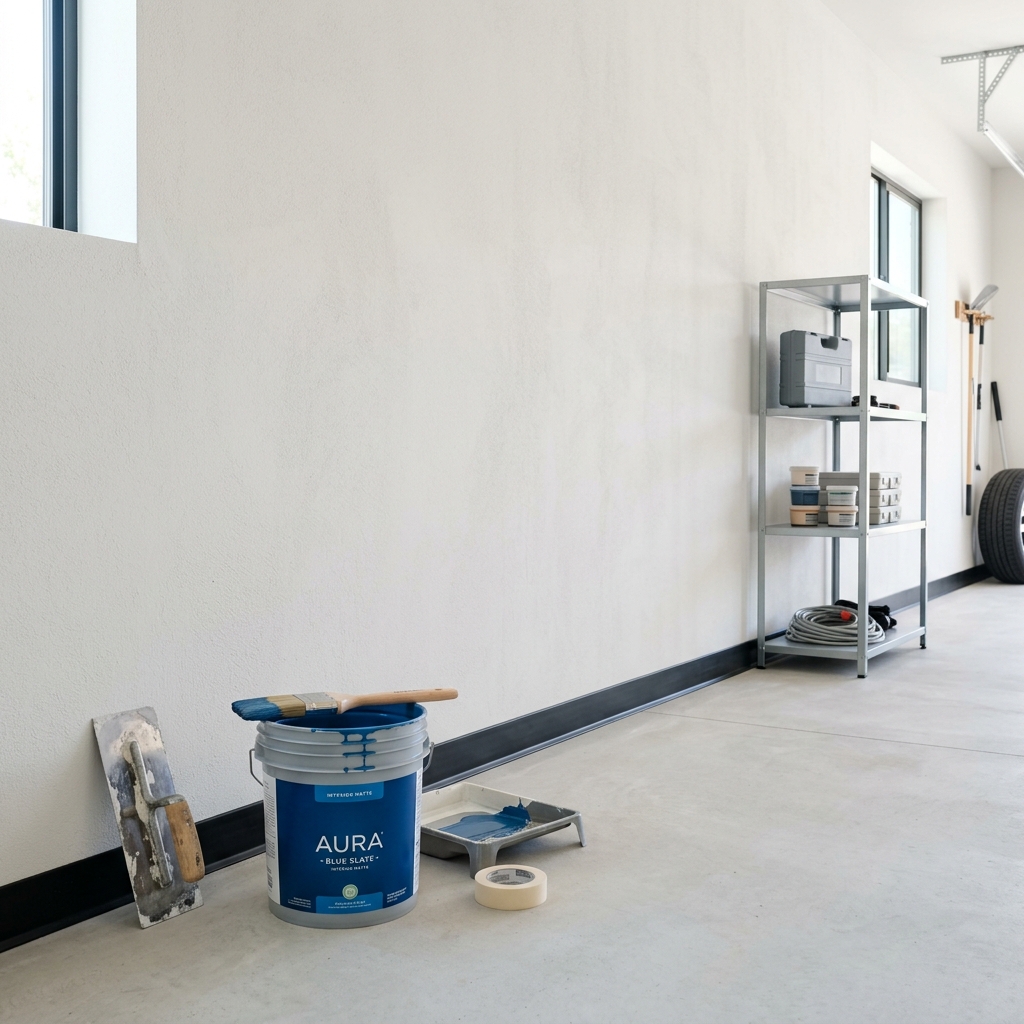
Extreme temperatures can impact your EV's charging efficiency and long-term battery health. Upgrading your garage insulation creates a stable thermal environment, ensuring faster charge times and a longer battery lifespan during severe winter or summer months.
Why Temperature Control Matters for EV Batteries
EV batteries rely on lithium-ion chemistry, which performs optimally between 60°F and 80°F. When exposed to freezing winter ambient temperatures or intense summer garage heat, the battery's internal management system (BMS) must consume extra energy to heat or cool the cells prior to charging. This energy overhead reduces net charging speeds and places cumulative degradation cycles on the battery pack.
Key Insulation Upgrades to Consider
You don't need a fully climate-controlled space to make a significant difference. Focusing on the primary areas of thermal transfer can stabilize your garage temperature by 15°F to 20°F compared to the outdoors:
- Garage Door Insulation: The garage door represents the largest area of thermal transfer. Installing double-layer foam core panels or upgrading to an R-12 rated insulated door blocks drafts significantly.
- Wall & Ceiling Drywalling: Drywalling walls adjacent to outdoor spaces with R-13 fiberglass batts helps contain heat.
- Weatherstripping: Replacing worn rubber bottom seals prevents drafts from slipping under doors.
The Long-Term ROI
Beyond preserving your vehicle's daily range capacity, insulation protects onboard electronic circuits from condensation issues and dampness in the garage, offering premium comfort year-round. It is one of the smartest secondary upgrades you can make when committing to home EV charging.