
🚧 Under Construction: This website is currently under development. All content and matchmaking services are placeholders.

Expert Insights Hub

Technical guides, financial incentives, and permitting checklists to prepare your home for residential EV charging.

Insulated modern garage interior walls
EFFICIENCY / MAINTENANCE

Optimizing Garage Insulation for EV Battery Health

Extreme temperatures can impact your EV's charging efficiency and long-term battery health. Learn how upgrading your garage insulation can create a stable thermal environment, ensuring faster charge times and a longer EV battery lifespan during severe winter or summer months.

Read Full Guide →
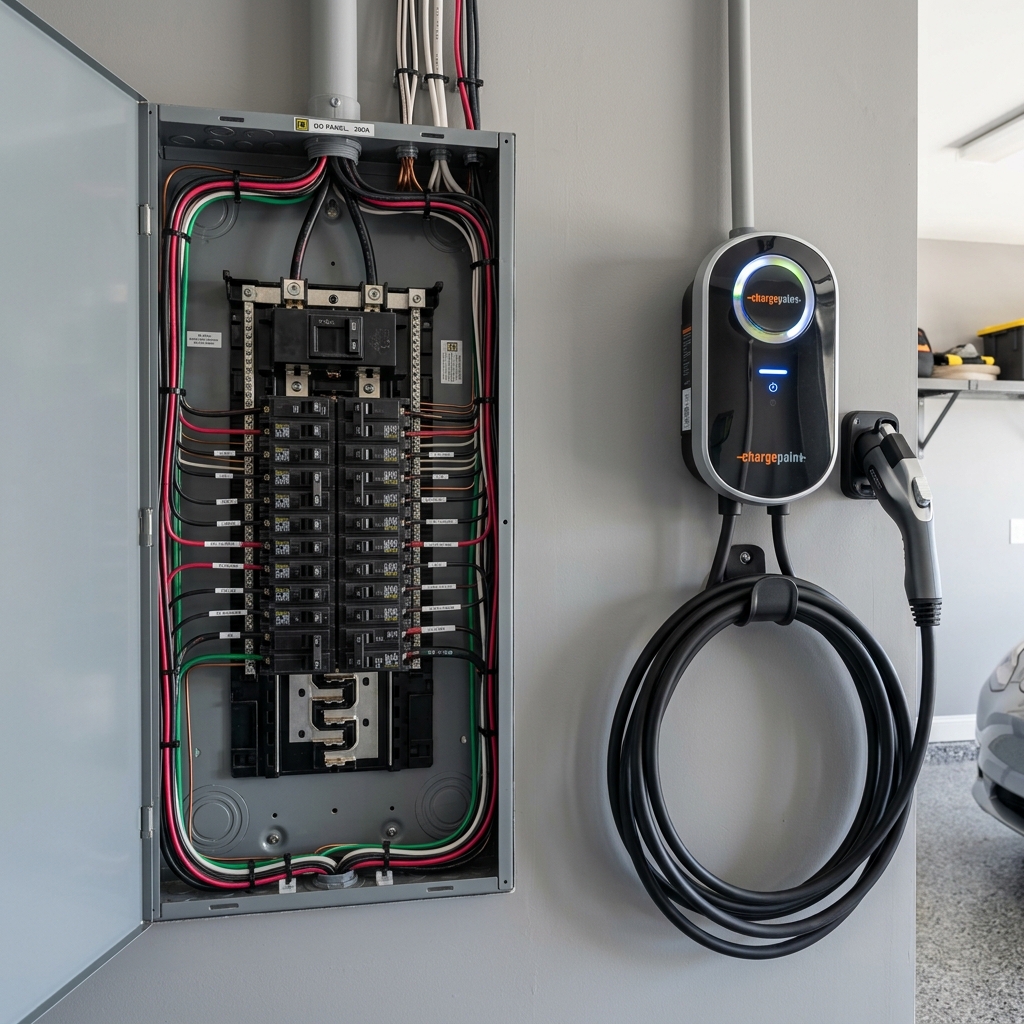
Home electrical panel with EV charger cables
TECHNICAL SPECS

Level 1 vs. Level 2 Chargers: What Your Electrical Panel Can Handle

Before upgrading to a Level 2 charger, checking your home's raw electrical load calculation is critical. We break down the differences in charging speed, amperage limits, and how to verify if a panel heavy-up upgrade is necessary for safe operation.

View Specifications →
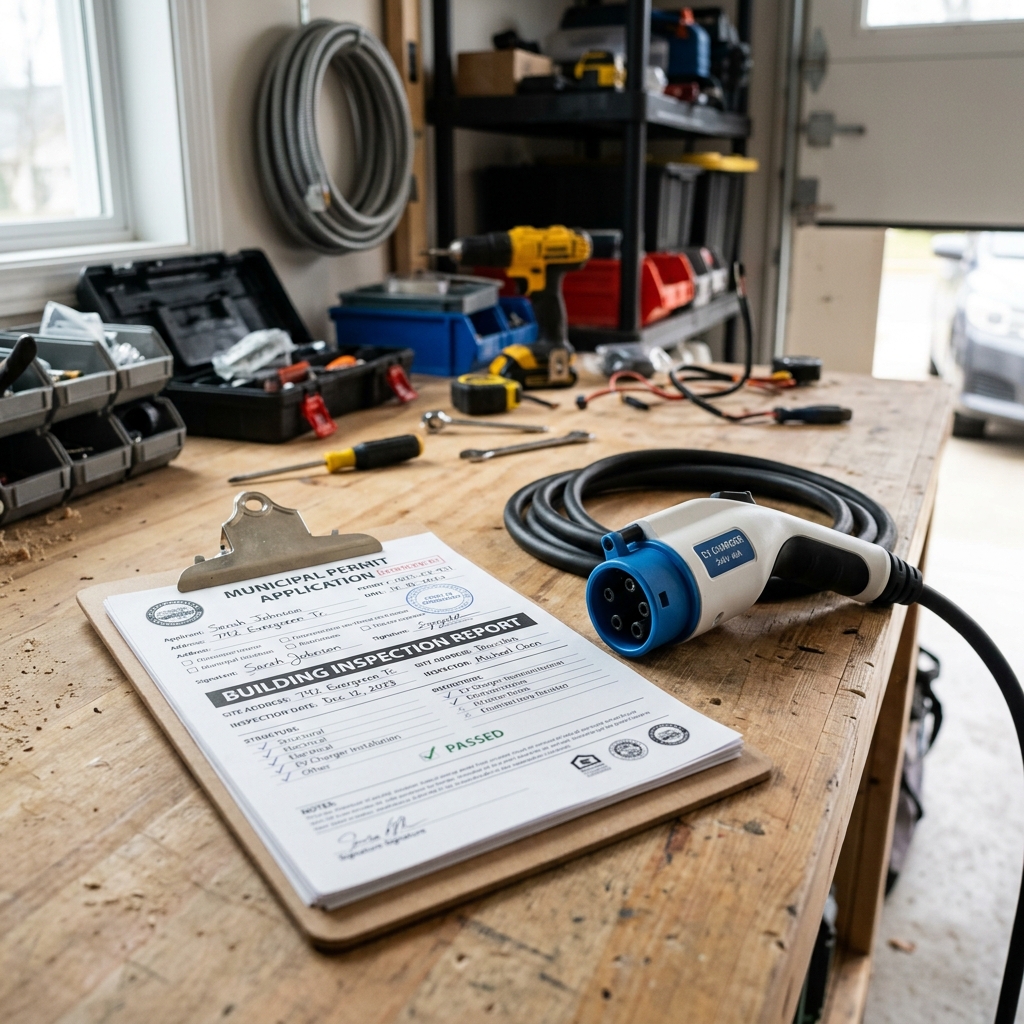
Building permit documents and an EV charger plug
COMPLIANCE / SAFETY

Understanding EV Charger Permitting: Why DIY Installs Can Void Your Home Insurance

Installing a Level 2 electric vehicle charger is a significant upgrade to your home's electrical grid. Navigating local building codes, pulling municipal electrical permits, and ensuring professional installation are critical steps for safety, legal compliance, and protecting your homeowner's insurance policy.

Read Full Guide →
Tax forms, calculator, and cash on desk
INCENTIVES / FINANCE

How to Claim Your 30% Federal Tax Credit for Home EV Charger Installation

Upgrading to a Level 2 charging station at home is a smart long-term investment, but the upfront purchase and wiring costs can add up. Fortunately, federal incentives, utility rebates, and state programs exist to help homeowners offset up to 100% of their out-of-pocket installation expenses.

Read Full Guide →
Residential solar panels with EV charger cable in foreground
TECHNICAL SPECS

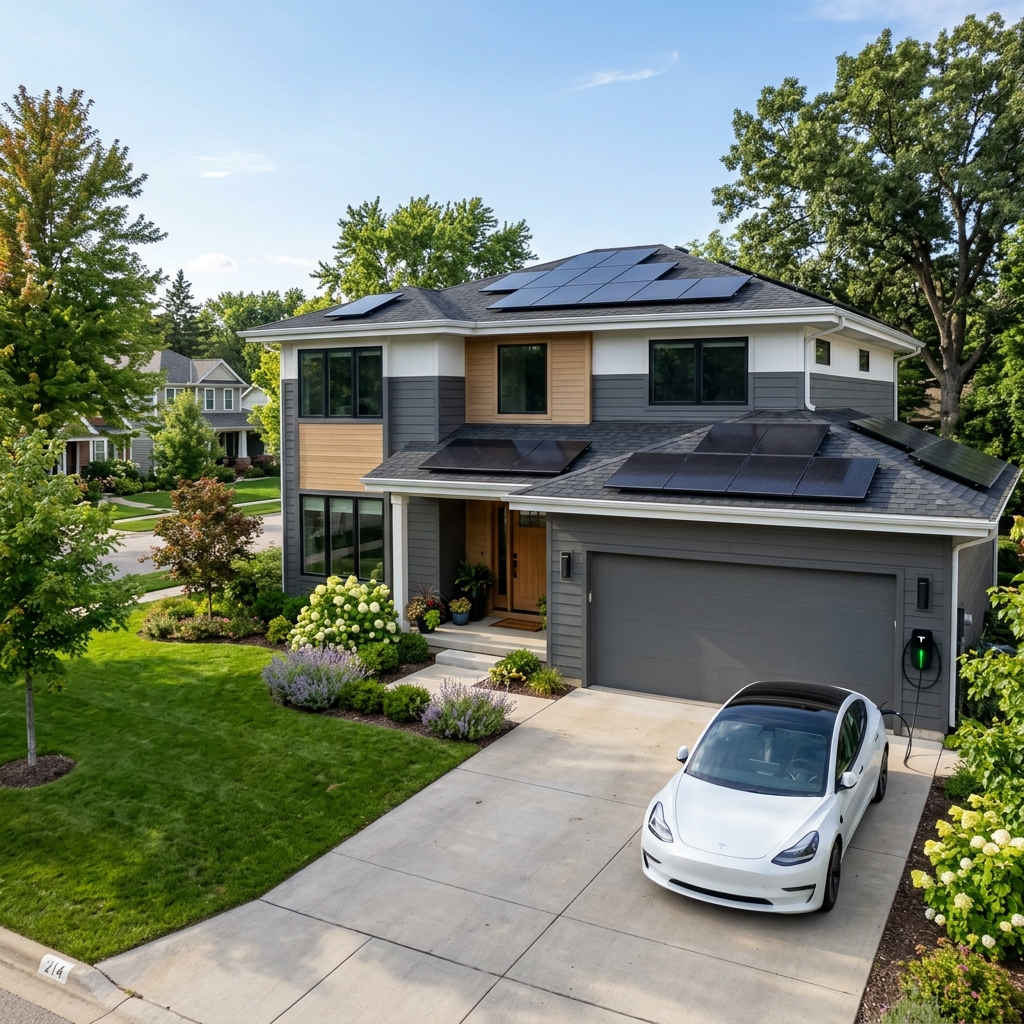
Integrating Solar Panels with Home EV Charging: How to Power Your Car from the Sun

Powering an electric vehicle with home solar panels represents the ultimate milestone in residential clean energy. By combining your solar array with a Level 2 charging station, you can minimize or eliminate charging costs while driving on 100% self-generated renewable energy.

Read Full Guide →
Smart WiFi charger app interface compared to a standard outlet charger
TECHNICAL SPECS

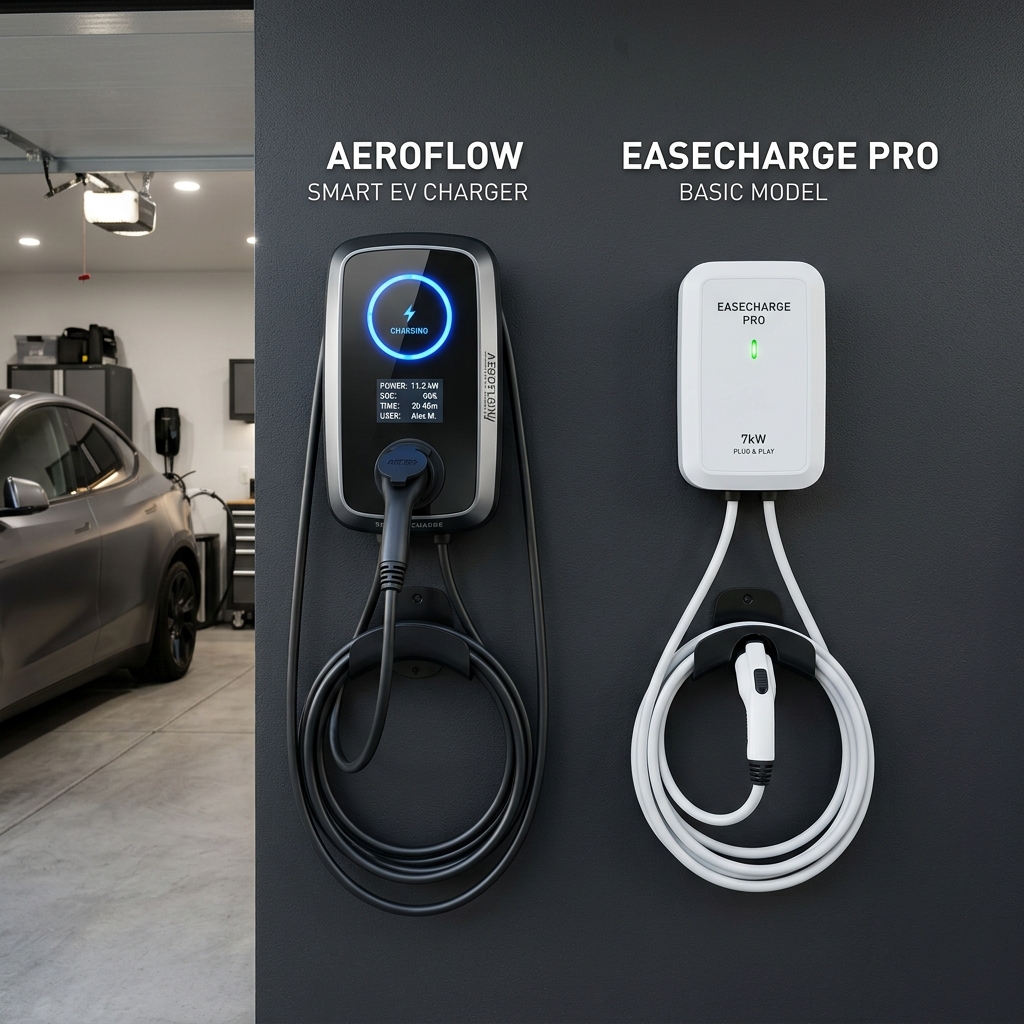
Smart vs. Dumb EV Chargers: Is the Extra Technology Worth It?

When choosing a Level 2 home charging station, one of the first design decisions you will make is whether to purchase a "smart" (WiFi-enabled) or a "dumb" (plug-and-play) charger. While both charge your vehicle at similar speeds, their features, cost, and utility integration differ significantly.

Read Full Guide →
Home electrical panel with load monitoring indicators and EV charger cables
TECHNICAL SPECS

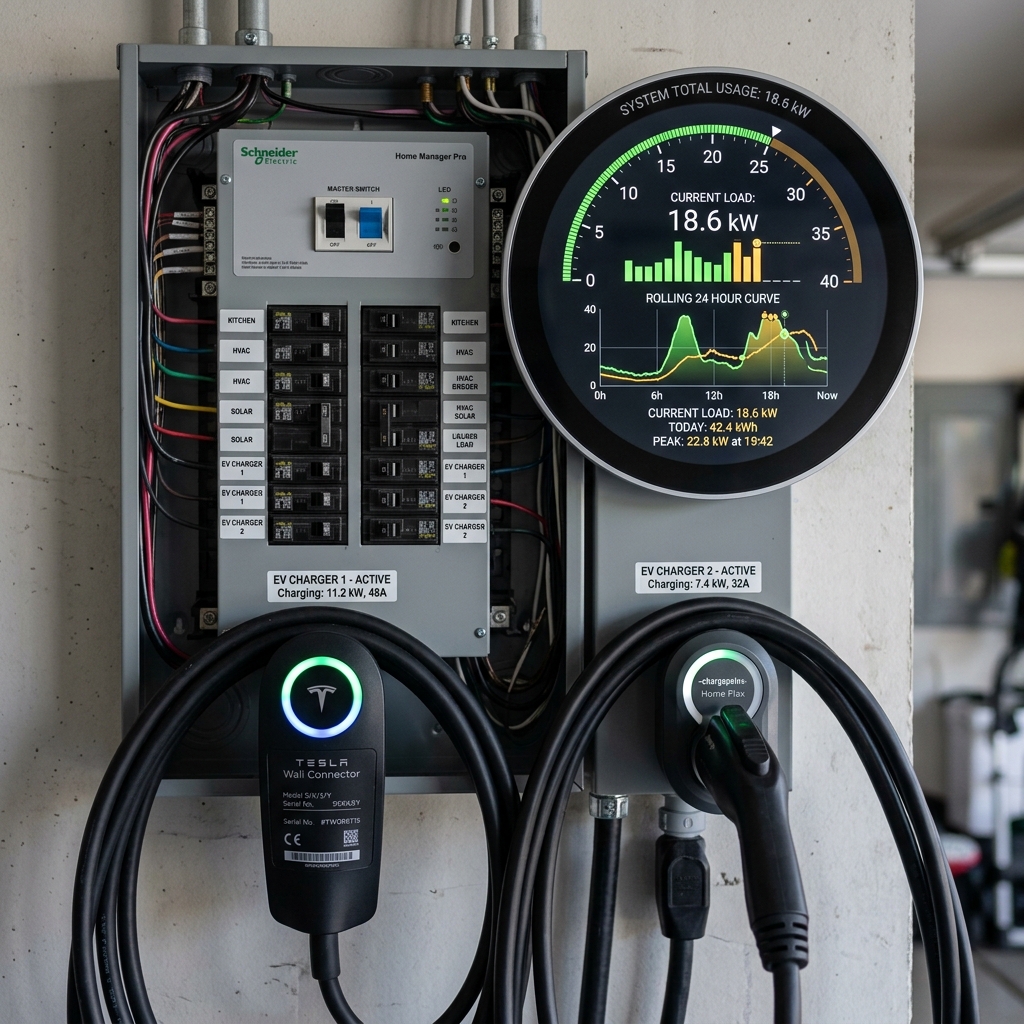
Dynamic Load Management: How to Avoid a Costly Electrical Panel Upgrade

For many older homes equipped with 100-amp electrical services, adding a high-power Level 2 EV charger can trigger the need for a major panel upgrade. Fortunately, Dynamic Load Management (DLM) technology offers a safe, code-compliant alternative that can save you thousands of dollars.

Read Full Guide →
Outdoor mounted EV charger on brick wall next to driveway
COMPLIANCE / SAFETY

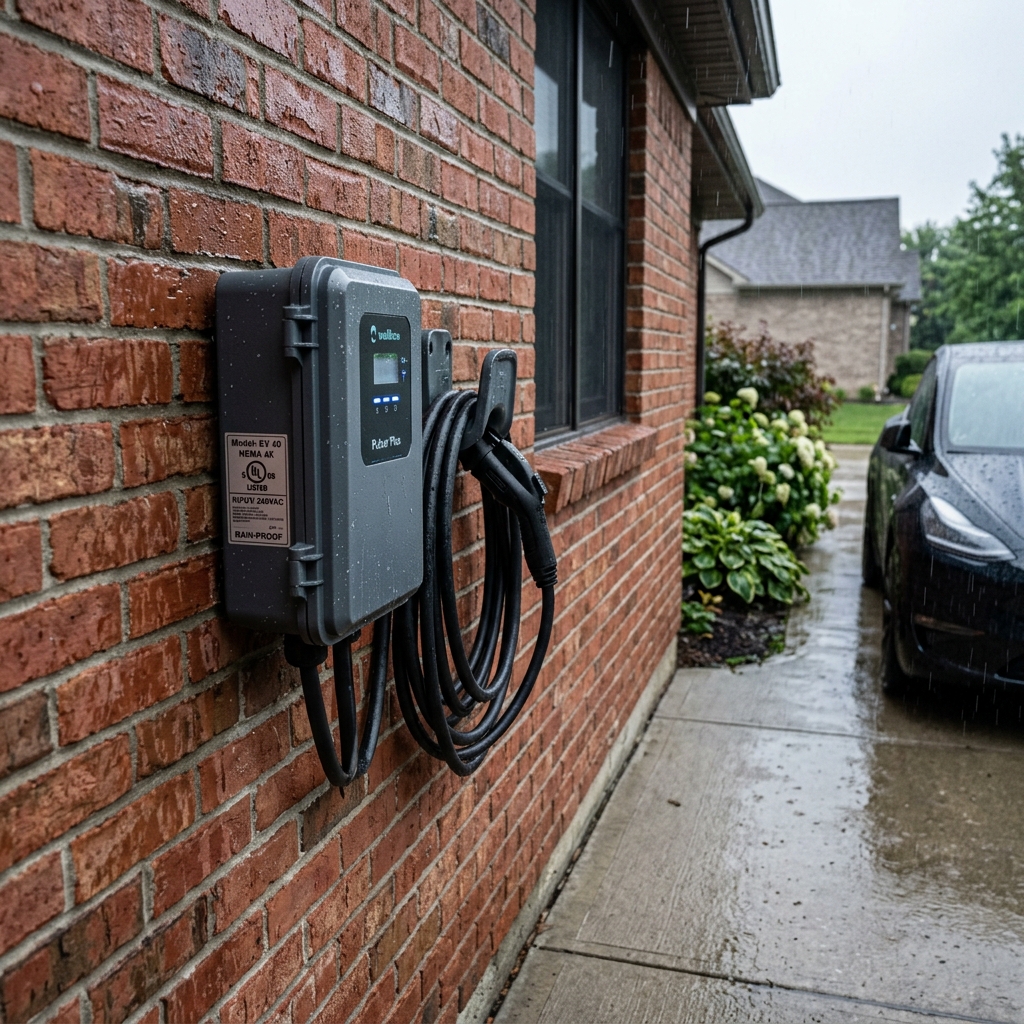
Outdoor EV Charger Installation: Weatherproofing, Safety, and Security

If your home lacks a garage or you prefer parking in your driveway, installing an EV charger outdoors is a highly practical solution. However, mounting electrical equipment in the elements requires specific weatherproofing, mechanical protection, and security safeguards to ensure long-term performance.

Read Full Guide →
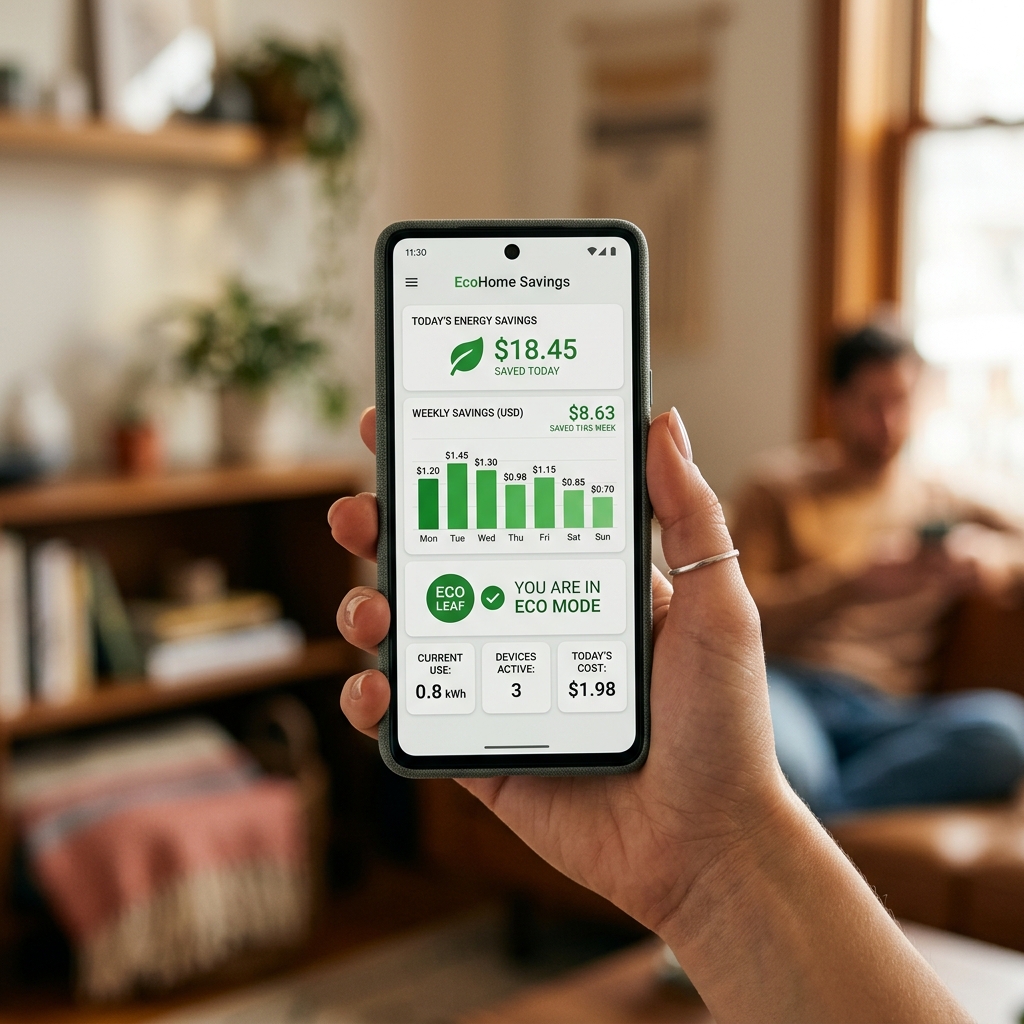
Smart home app showing energy savings and scheduled EV charging times
INCENTIVES / FINANCE

How to Save Money with Utility Time-of-Use (TOU) Rates and Scheduled EV Charging

Charging an electric vehicle is much cheaper than filling a gasoline car, but charging during peak hours can add unnecessary costs to your utility bill. By switching to a Time-of-Use (TOU) rate plan and configuring off-peak charging schedules, you can cut your electricity costs by 50% or more.

Read Full Guide →
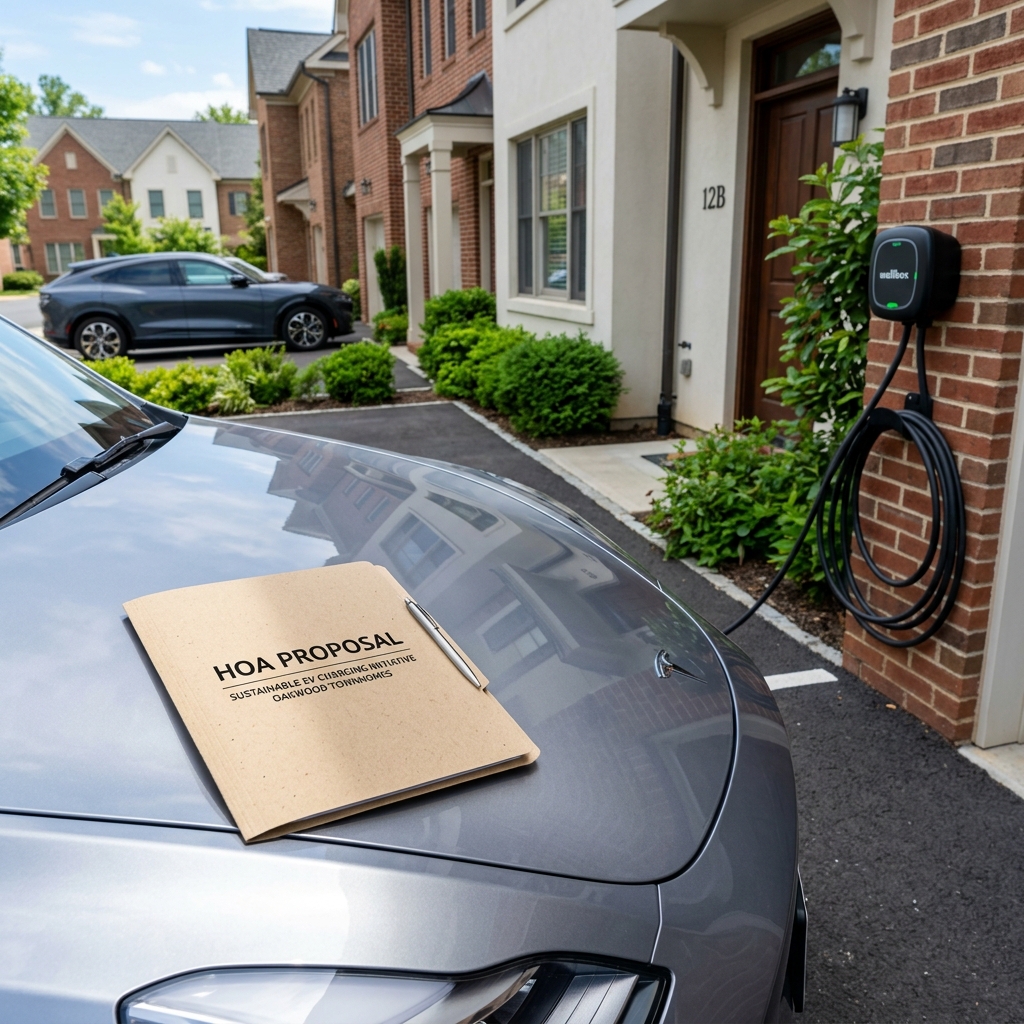
Condo parking space with EV charger and HOA Proposal folder
COMPLIANCE / SAFETY

Winning HOA Approval for Your Home EV Charger: A Step-by-Step Proposal Framework

For homeowners living in townhouses, condominiums, or communities managed by a Homeowners Association (HOA), installing a Level 2 EV charger involves navigating community rules. Understanding your legal rights and submitting a thorough, professional proposal will maximize your chances of quick board sign-off.

Read Full Guide →