
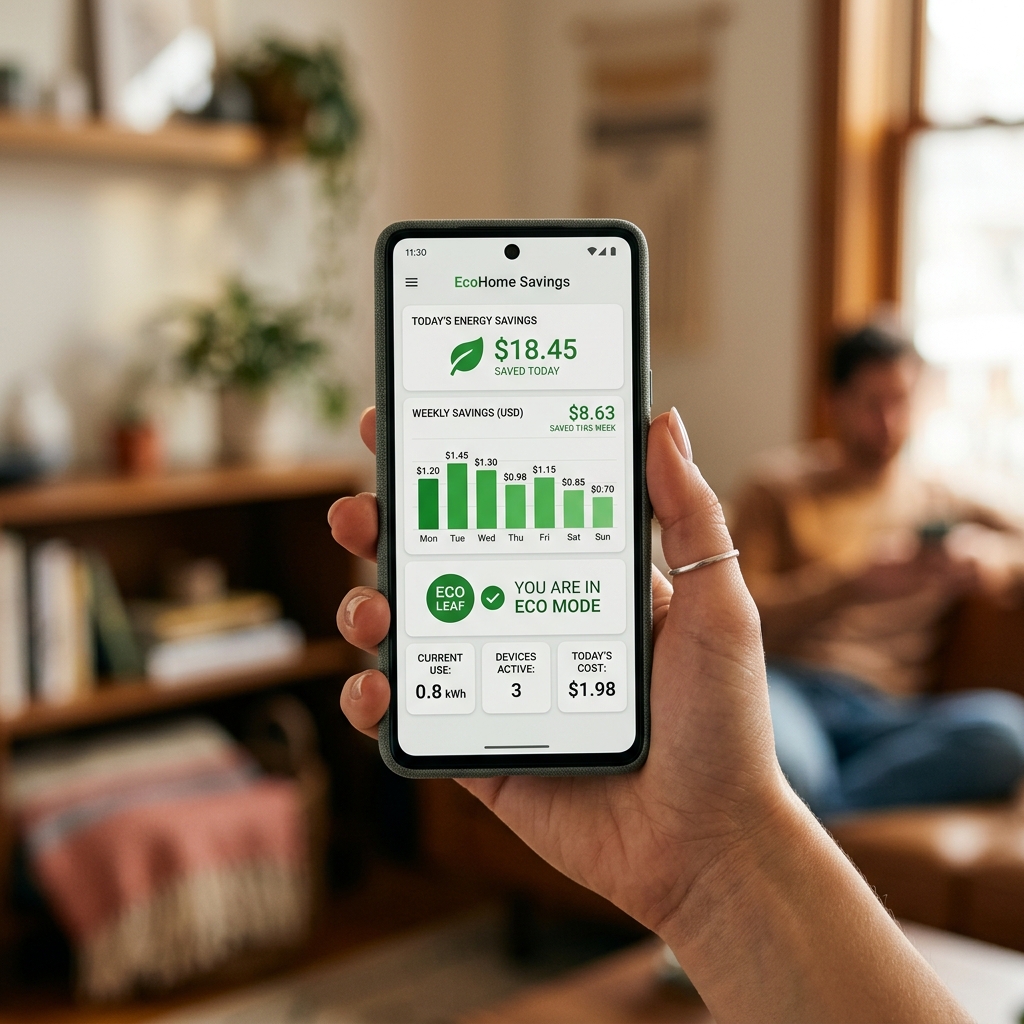
Charging an electric vehicle is much cheaper than filling a gasoline car, but charging during peak hours can add unnecessary costs to your utility bill. By switching to a Time-of-Use (TOU) rate plan and configuring off-peak charging schedules, you can cut your electricity costs by 50% or more.
Understanding Time-of-Use (TOU) Rates
Unlike flat-rate electricity plans where you pay the same rate per kilowatt-hour (kWh) all day, TOU plans charge different rates based on grid demand and the time of day. Utilities divide the day into three main periods:
- Peak Hours: Typically late afternoon and evening (e.g., 4 PM to 9 PM) when grid demand is highest and energy costs are most expensive.
- Off-Peak Hours: Mornings and early afternoons when demand is moderate.
- Super Off-Peak Hours: Late night to early morning (e.g., midnight to 6 AM) when grid demand drops to its lowest level.
Depending on your utility, peak rates can be three to four times higher than super off-peak rates (e.g., $0.45 per kWh vs $0.12 per kWh).
How Scheduled Charging Saves Money
A standard Level 2 charger can recharge an EV in 4 to 8 hours. By setting a charging schedule, you can plug your vehicle in when you arrive home at 6 PM, but delay the actual power flow until the super off-peak period begins at midnight. For a commuter driving 1,000 miles per month, charging off-peak rather than peak can save $30 to $80 per month, translating to hundreds of dollars in annual savings.
How to Set Up Scheduled Charging
Homeowners have two primary options for setting up schedules:
- In-Vehicle Scheduling: Use your car's built-in infotainment screen or mobile app to set your preferred charging window. The car will control the power intake, meaning it works even with a basic, non-WiFi charger.
- Smart Charger Scheduling: Set schedules directly via your smart charger's mobile application. This is ideal if you have multiple drivers or want to coordinate with real-time home solar output.
Enrolling in EV-Specific Rate Plans
Many utility companies offer dedicated "EV Rate" plans. These plans feature ultra-low rates during super off-peak hours specifically designed to encourage overnight charging. Before enrolling, review your entire household energy usage: EV-specific plans may charge slightly higher rates during daytime peak hours, making them most profitable if you can shift major household appliance loads (like laundry and pool pumps) to off-peak periods alongside your car.